Orion Blog

From Concept to Completion: Our Custom Millwork Process

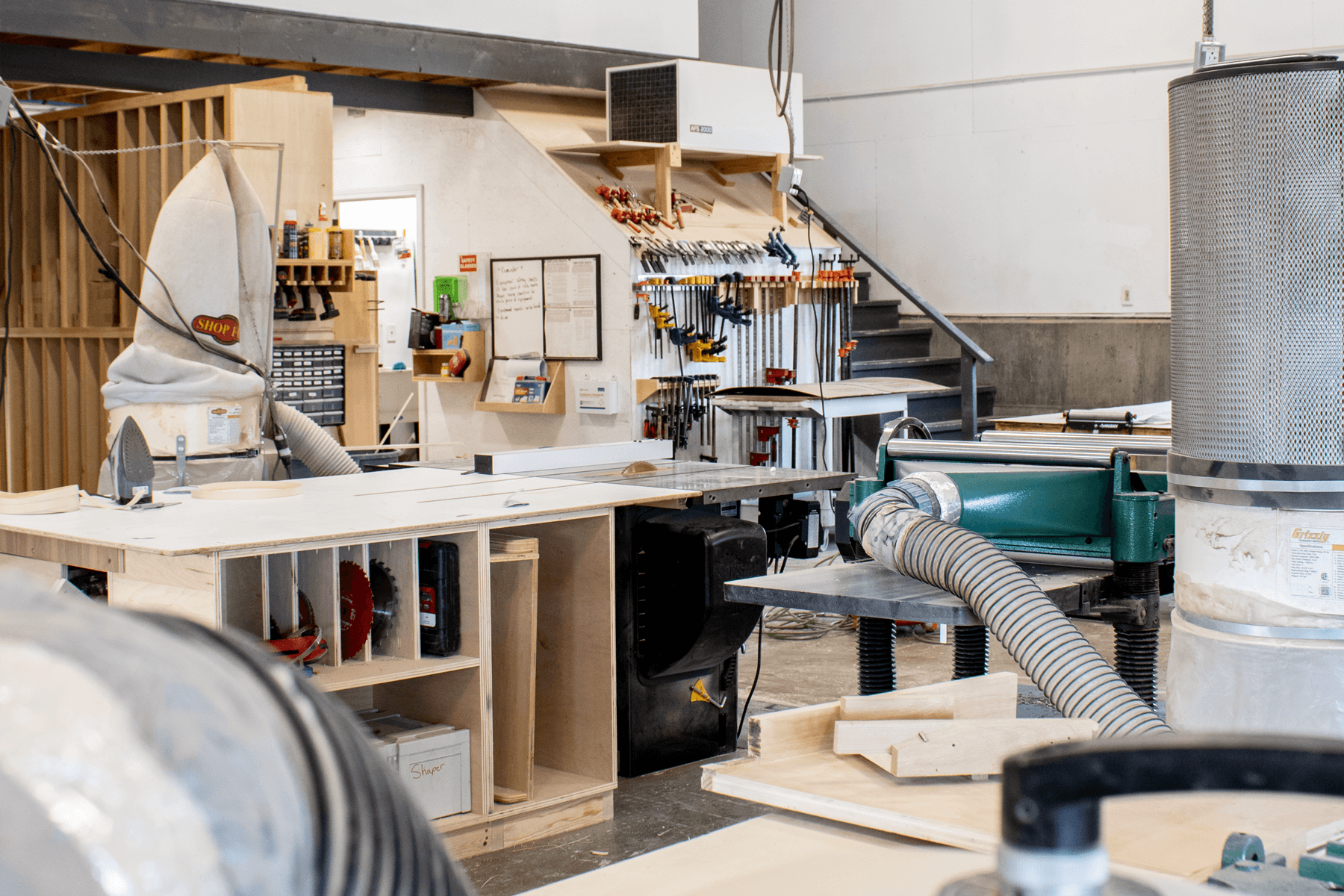
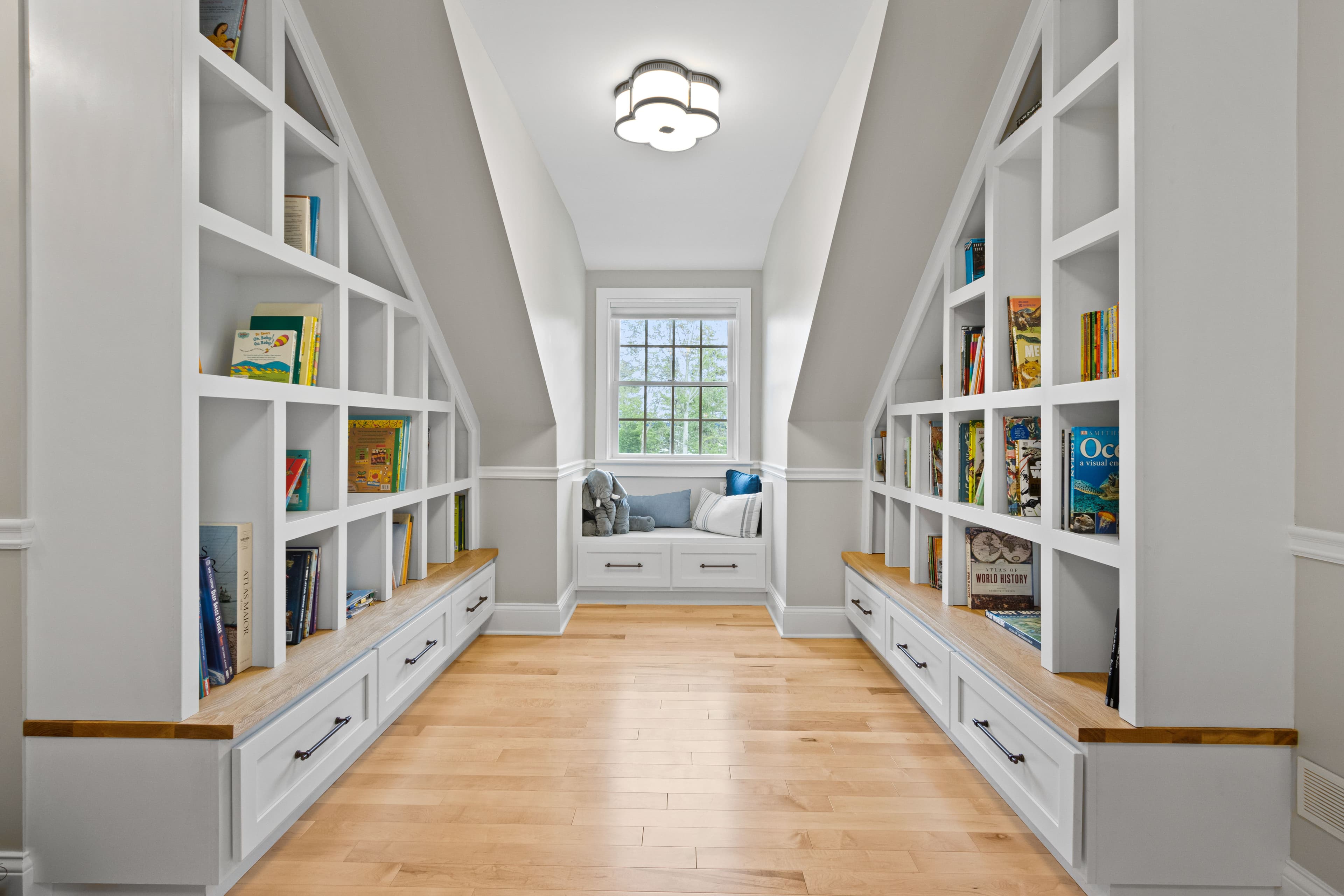
Custom millwork is one of those elements that quietly shapes how a home functions and feels. Done well, it should integrate seamlessly into a space, adding functionality, structure, and detail (without drawing unnecessary attention to itself). It should look like it’s always been there.
For homeowners considering custom cabinetry or built-ins, the process can feel a bit opaque at first. What happens between the initial idea and the final installation?
Below is a look at how we approach
projects at Orion Woodshop, from the first inquiry through installation, so you know what to expect at each stage.
1. Starting the Conversation
Every project begins with an inquiry. At this stage, we’re learning the basics:
- What type of space you’re working with (kitchen, mudroom, built-ins, etc.)
- The general scope of the project
- Your goals for how the space should function
- If you are within our service area in southern Maine
This initial conversation helps us determine whether the project is a good fit and how to guide next steps. (See also: our
that breaks down what specific questions we ask before starting a millwork project.)
2. Aligning on Scope and Budget
After the initial inquiry, we typically follow up with a few questions to better understand priorities and budget parameters.
Custom millwork can vary widely depending on:
- Size and complexity
- Level of integration with the home (ex. Will there be accompanying renovation or demolition involved?)
- Materials, finishes and other details
Having a clear sense of budget early allows us to design thoughtfully within realistic parameters and avoid missing the mark on expectations about the project.
3. Site Visit (When Applicable)
For projects that are going to be tied into a broader home renovation—we’ll schedule an initial site visit.
This allows us to:
- See the space in context
- Understand how the millwork connects to the surrounding environment
- Identify structural and layout considerations early
For smaller, contained projects, we may move directly into pricing and preliminary design without visiting the site.
4. Preliminary Design (2D Elevations)
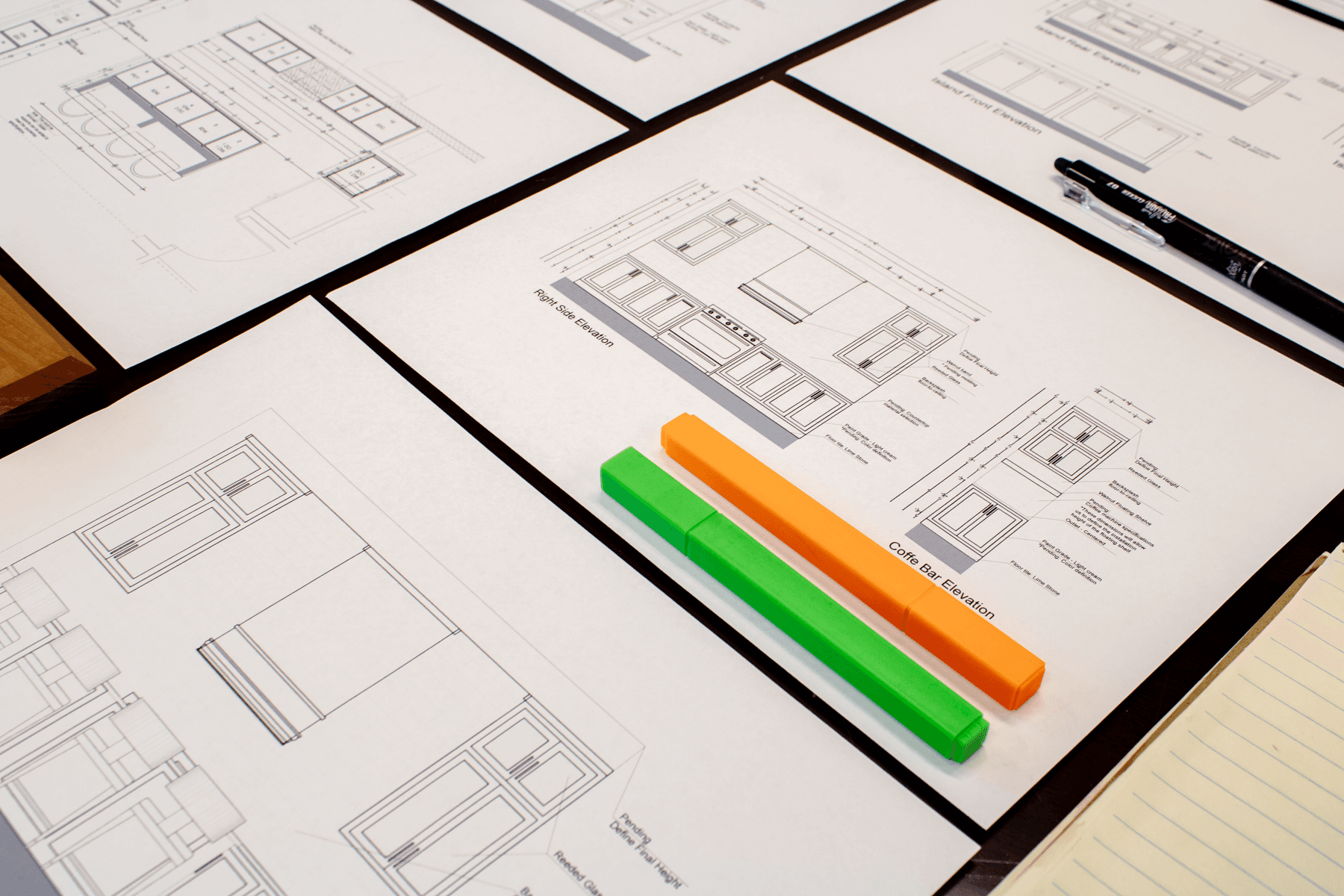
Once we have a clear understanding of the project parameters and are aligned on budget and pricing, we begin developing preliminary designs. We collaborate with architects and interior designers during this phase( or simply work with our own in-house project designers) to develop elevations.
During this stage, we focus on:
- Layout and configuration
- Functional storage solutions
- Proportions within the space
These are typically presented as 2D elevations, which help establish how the millwork will be organized and how it will function day to day.
This step is less about finishes and aesthetics, and more about establishing a foundation to work off of.
5. Final Site Visit & Measurements
Before moving into detailed design, we return to the site to take precise measurements and assess any variables that could affect fabrication and installation.
This includes:
- Confirming all dimensions
- Accounting for floors, walls, and ceilings that may not be perfectly level or square
- Identifying any adjustments needed to ensure a seamless fit
Accuracy here is critical, as it’s what allows custom millwork to feel truly integrated once installed.
6. Final Design & Material Selections
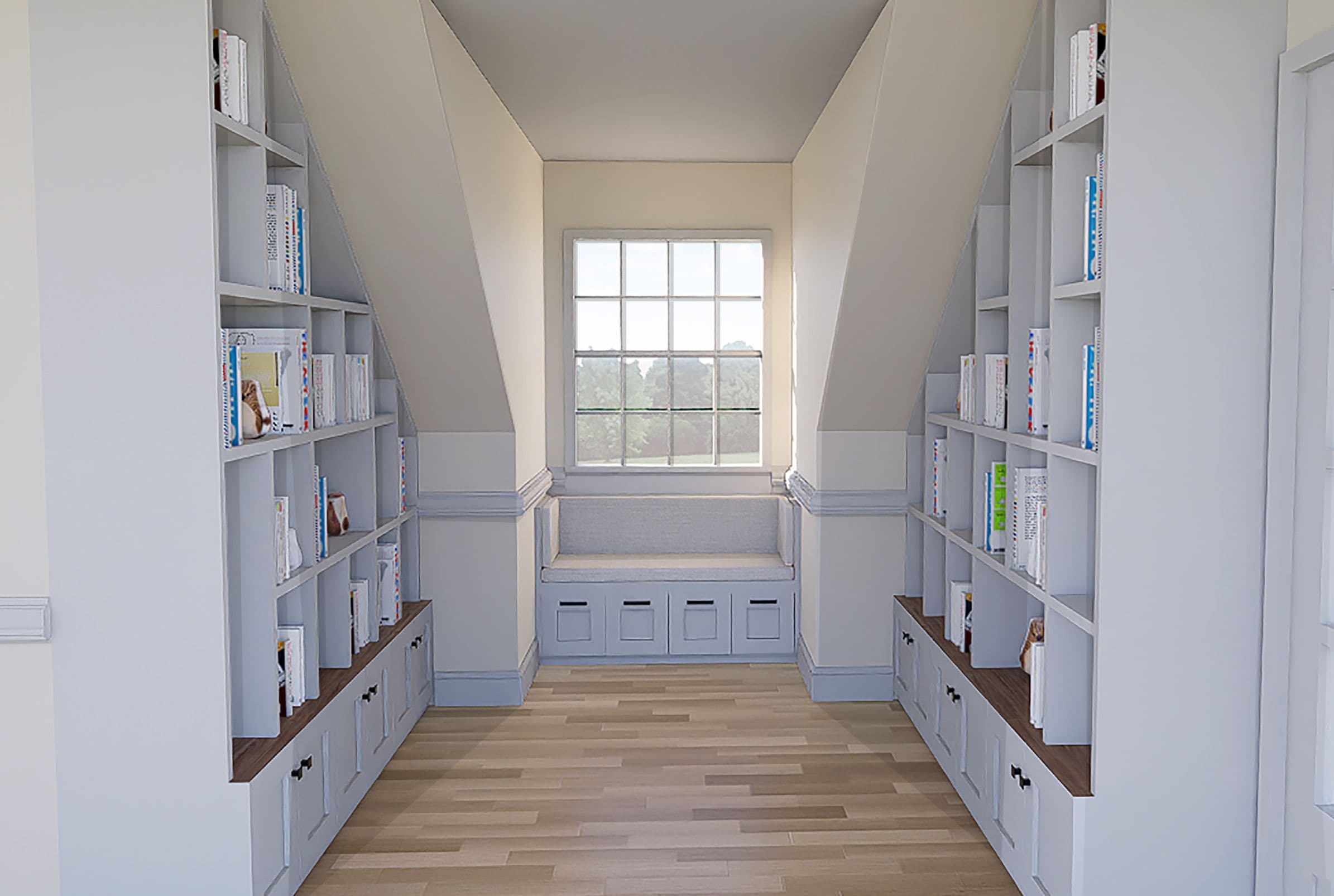
With measurements confirmed, we refine the design and develop more detailed visuals.
This phase includes:
- Realistic
- Material and finish selections
- Hardware and detailing decisions
At this point, you’ll have a clear understanding of how the finished piece will look and function within your home.
It’s also where design and craftsmanship begin to fully come together.
7. Production in the Shop
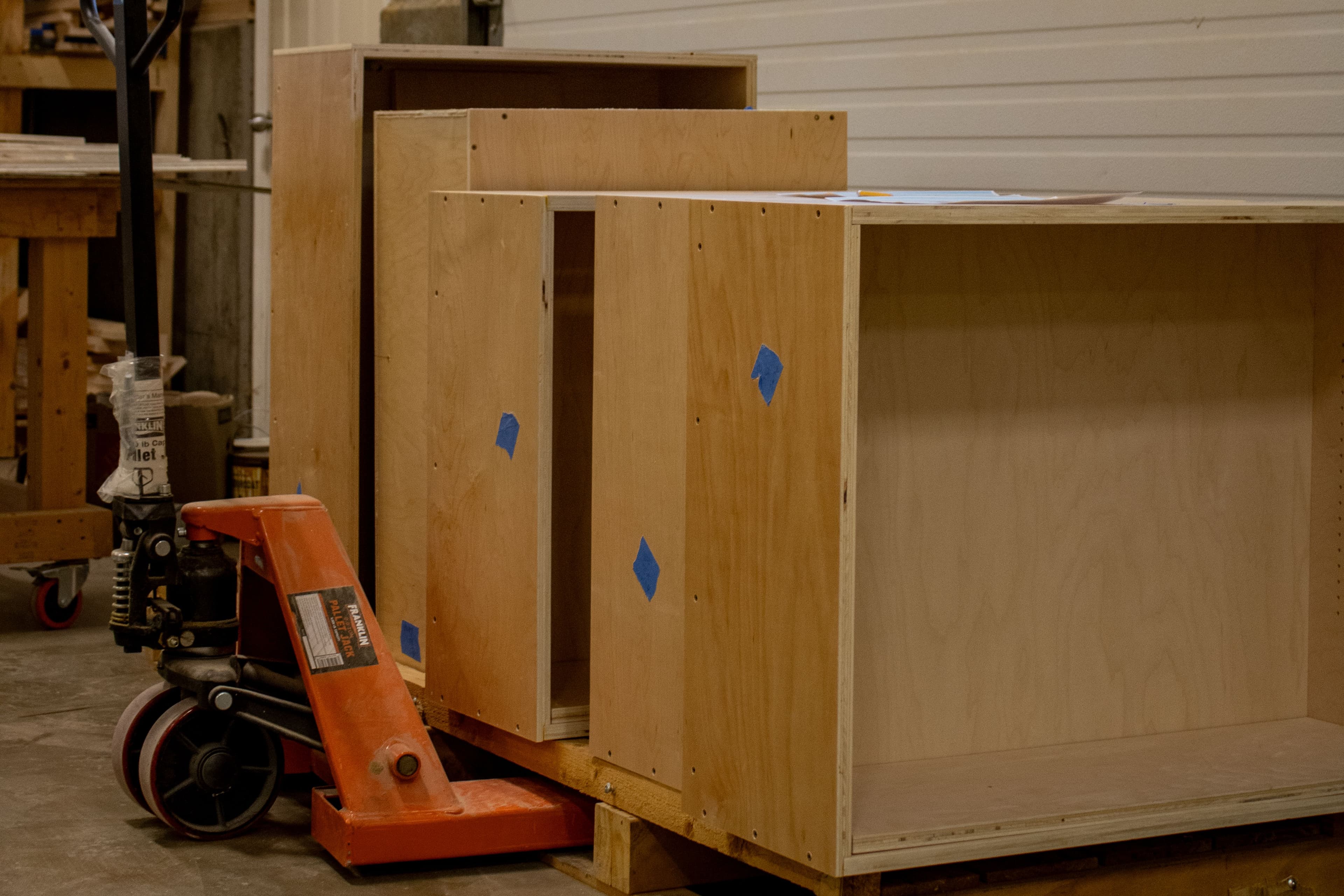
Once designs are approved, fabrication begins in our shop.
This is where the bulk of the work happens:
- Milling materials
- Building components
- Assembling cabinetry and millwork
- Applying shop finishes as specified
- Getting components ready for transportation and install
Much of this process happens behind the scenes, but it plays a significant role in the final quality of the project. Care, repetition, and attention to detail at this stage ensure that installation goes smoothly.
8. Installation
The final step is installation.
Our team installs the millwork on-site, making any necessary adjustments to ensure a precise fit within the space.
Because every home has its own quirks—especially in southern Maine—this step often involves small refinements that bring everything into alignment.
Once installed, the millwork becomes part of the home—something that feels like it has always been there.
A Process Designed for Long-Term Use
Our millwork process has been refined over time to ensure that:
- Design decisions are made with intention
- Materials are chosen appropriately
- Installation feels seamless
Our goal is to build something that adds intention and value to spaces throughout your home with a process that feels collaborative while also guided by experience, honesty and creativity.
Thinking About a Custom Millwork Project?
Whether you’re planning built-ins for a single room or integrating cabinetry across multiple spaces, understanding the process is the first step toward a successful outcome.
If you’re considering a custom millwork project and would like to talk through ideas, scope, or next steps, we’re always glad to start the conversation. Email us at
.