Orion Blog

What to Know Before Adding Onto an Existing Home in Southern Maine

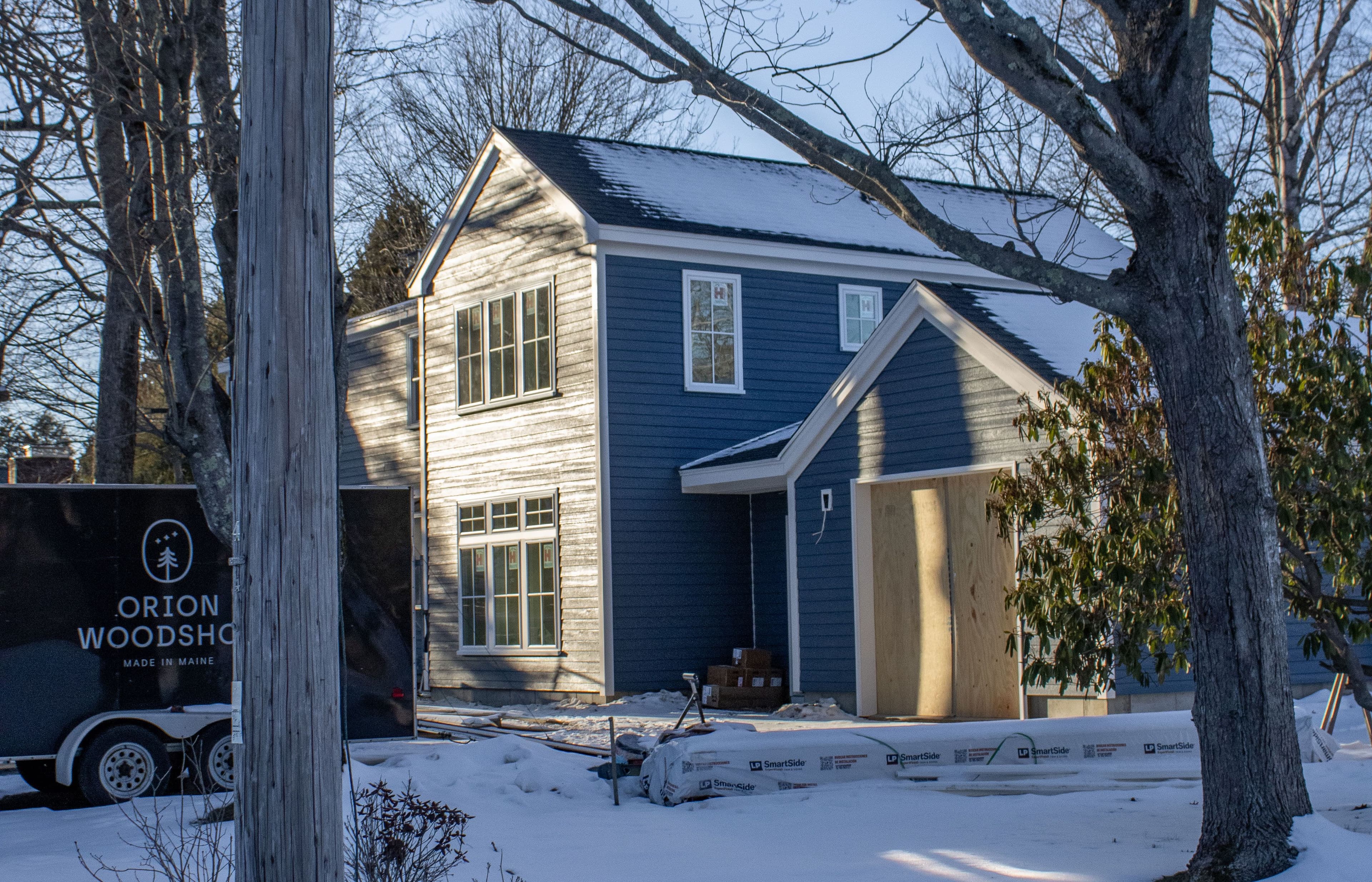
Adding onto an existing home can be one of the most rewarding ways to create space that truly fits how you live—whether that means building a master bedroom, a new mudroom, expanding a kitchen, or creating more room to gather. For many homeowners, a well-planned addition makes it possible to stay in a location they love while adapting the home to meet current needs.
In southern Maine, however, changing your home’s footprint comes with unique considerations shaped by older housing stock, coastal conditions, permitting requirements, and seasonal construction realities. Understanding these factors early—ideally alongside an experienced remodeling contractor—helps ensure your home renovation feels cohesive, well-managed, and built to last.
Understanding Local Permits and Zoning
Local zoning regulations often shape what’s possible before design even begins. Many homeowners start the process by consulting a remodeling contractor who understands how permitting and municipal requirements influence planning.
From Scarborough to Harpswell—factors like setback requirements, lot coverage limits, and height restrictions can directly impact the design of an addition. Homes near the coast may fall within shoreland zoning areas, affecting scale, orientation, and materials. Historic neighborhoods may require additional review if exterior changes alter the character of the home.
For those planning a custom home renovation or addition, early coordination with an experienced contractor helps avoid redesigns and keeps timelines realistic from the start.
Working With Older Foundations and Existing Structures
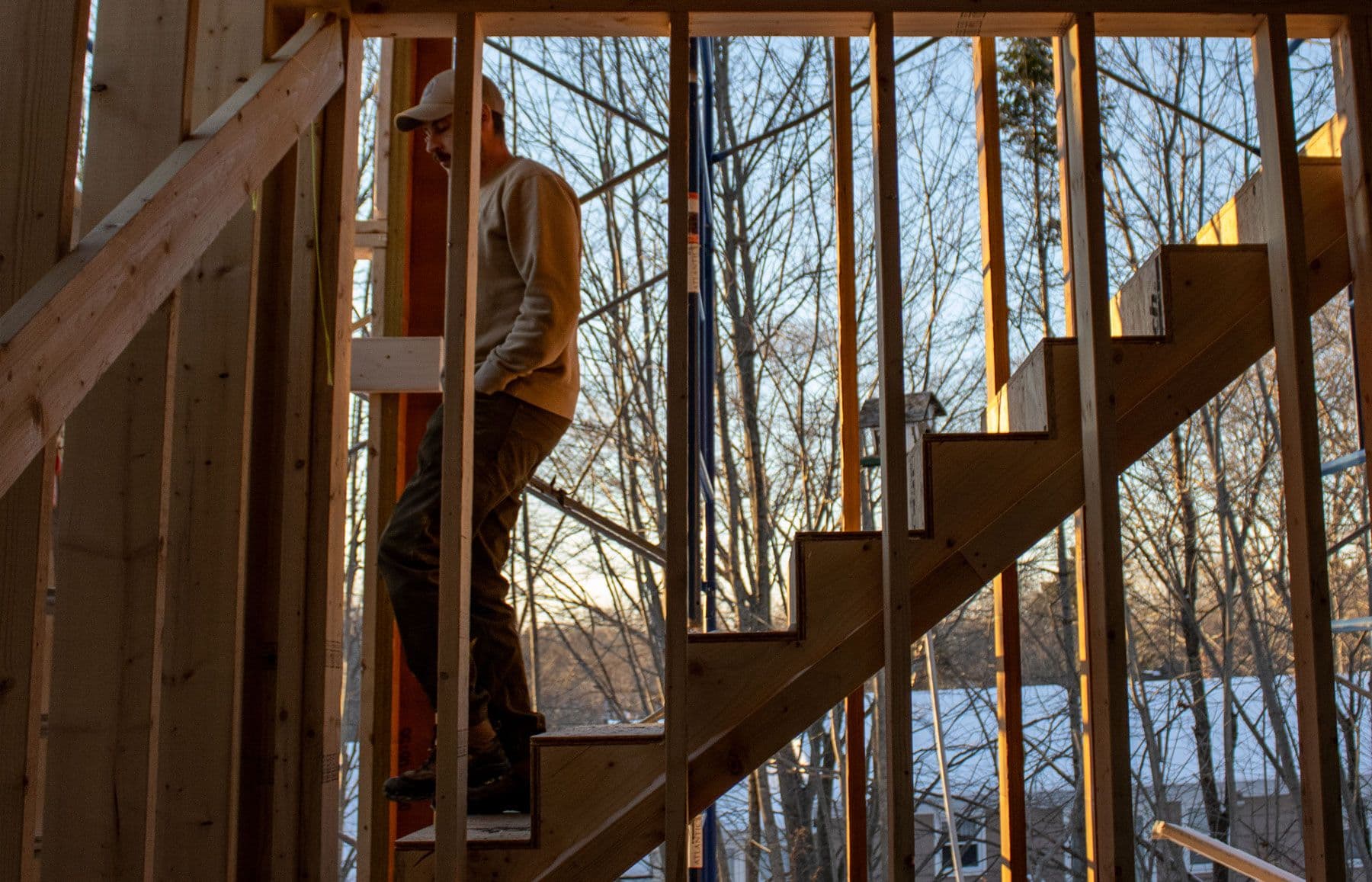
Many homes in Maine were built decades—or even a century—before modern building standards. While these homes offer character, they can present structural challenges when integrating new construction.
Common considerations include:
- Foundations that don’t align perfectly with modern framing standards
- Floors and walls that are out of level or square
- Hidden structural conditions discovered once walls are opened
A thoughtful addition respects the original structure, rather than forcing new construction to compete with it. Careful structural planning and close collaboration between design and construction teams are essential to creating a seamless extension of the home.
Weather, Seasons, and Construction Timelines
Maine’s climate influences nearly every phase of a home renovation. Freeze-thaw cycles, coastal moisture, and unpredictable weather can impact excavation, framing, and exterior finishes.
Because additions tie directly into an existing home, proper sequencing is critical—especially when projects extend across seasons. An experienced contractor will plan structural work, weatherproofing, and interior transitions carefully to protect the home and maintain steady progress.
Matching Materials and Architectural Character
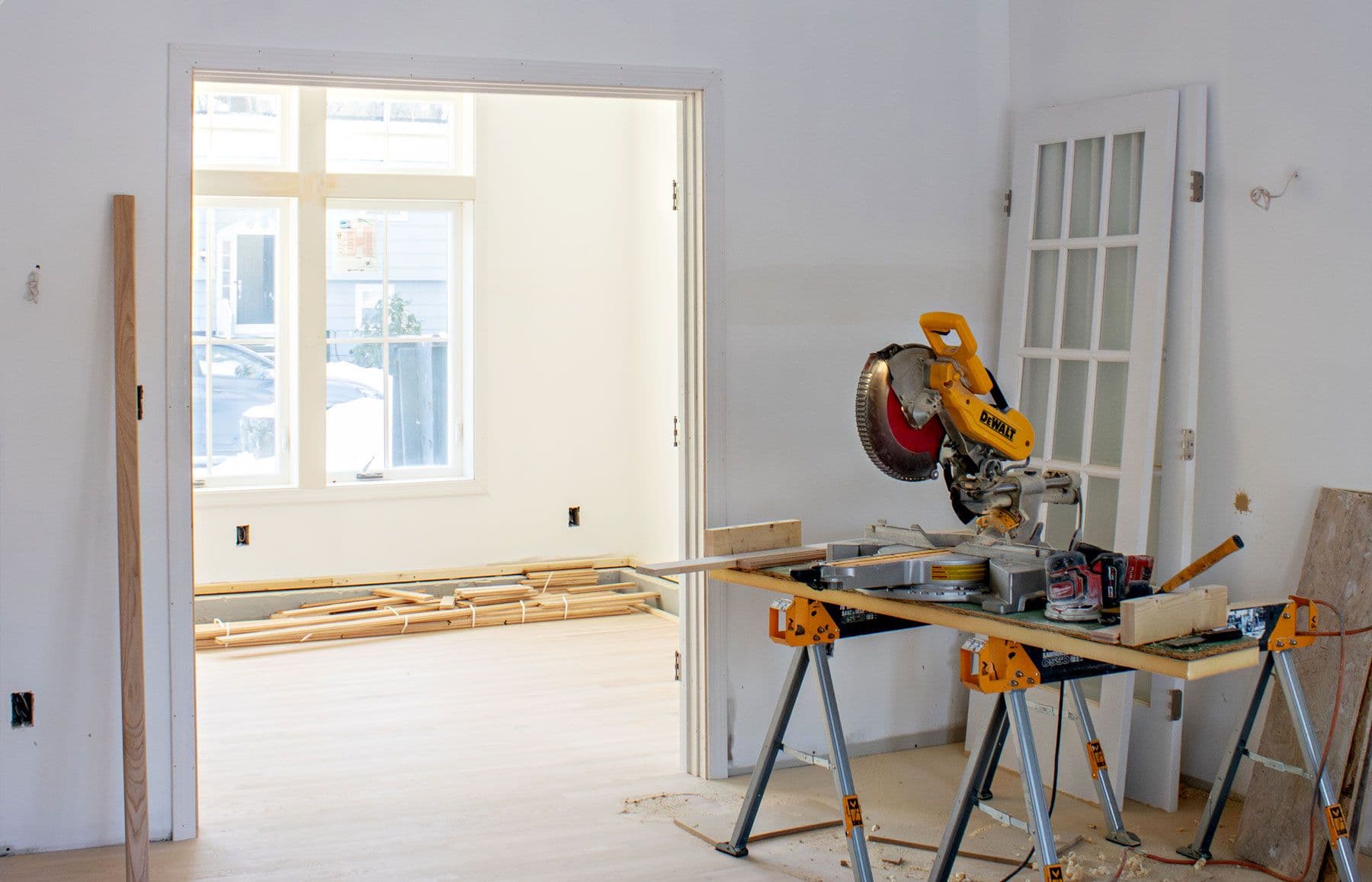
A successful addition should feel integrated—not attached as an afterthought. Beyond siding and paint color, rooflines, window proportions, trim details, and interior millwork all contribute to visual continuity.
In many custom home renovation projects, millwork and built-ins help bridge old and new spaces, carrying consistent details from the original home into the addition. A design-forward approach considers circulation, natural light, and how materials will age in Maine’s climate.
Budget Planning and Scope Clarity
Additions often involve more complexity than new construction alone. Connecting to existing utilities, updating portions of the home to meet current code, and coordinating multiple trades can influence both budget and timeline.
Rather than viewing an addition in isolation, it’s helpful to consider how it impacts the broader home. Structural upgrades, layout adjustments, and integrated cabinetry or built-ins may all be part of a larger scope.
Clear, early conversations with your contractor help align expectations around cost, timing, and potential unknowns before construction begins.
Our Recommended Course of Action
If you’re in the early stages of planning a home renovation or addition, consider taking the following steps:
1. Define your scope. Establish approximate square footage, intended use, and key design priorities.
2. Research general contractors in your area. Look for a remodeling contractor with strong referrals, a portfolio of high-quality work, and experience with additions.
3. Send detailed inquiries. Include your town, project scope, and desired timeline. A reputable contractor will likely schedule a site visit to assess structural conditions and discuss feasibility.
4. Keep an open mind about budget and design adjustments. The right contractor will provide objective feedback based on technical experience—not sales pressure.
5. Ask thoughtful questions early:
- Are there zoning restrictions that may affect our plans?
- What structural considerations might impact scope or budget?
- How will the project be managed through Maine’s colder seasons?
- How can we integrate the new space seamlessly with the existing home?
With an experienced remodeling contractor guiding the process, many of these variables are addressed proactively during early planning.

Thinking About an Addition for Your Home?
Whether you’re considering a kitchen expansion, master bedroom suite, or a broader custom home renovation, a home addition offers the opportunity to build with intention while honoring what already exists.
If you’re beginning to plan an addition and would like to discuss possibilities, timelines, or early considerations, we’d be glad to connect. Reach out at projects@orionwoodshop.com.