Orion Blog

5 Common Misconceptions About Hiring a General Contractor


When it comes to planning a renovation or new build, selecting the right general contractor can make or break your experience. As a builder who’s worked on everything from custom kitchens to whole-home remodels, we've noticed that many clients come to the process with a few persistent myths. These misconceptions can lead to budget overruns, missed opportunities, and unnecessary stress.
Here are five of the most common misunderstandings—along with what homeowners should know instead:
1. “Get Three Bids and Take the Middle One.”
This long-standing rule of thumb might sound like good advice, but it can lead you astray. The truth is, an initial bid tells you very little about a builder’s skill, integrity, or suitability for your specific project.
While it’s wise to gather ballpark estimates, those numbers should serve as a conversation starter—not the basis of your final decision. The right contractor is someone you can communicate with openly, who understands your goals, and who’s invested in the outcome.
When clients focus solely on price, contractors often hold back their best ideas. But once a builder is selected as a trusted partner, creative problem-solving begins. In return, you’ll benefit from honest insights and a well-developed proposal that better reflects your priorities.

2. “Change Orders Are Expensive and Disruptive.”
Change orders have a bad reputation—but they’re not always a red flag. In many cases, they offer an opportunity for creative enhancement or long-term value.
Whether a new idea comes from you, your designer, or your contractor, small adjustments made during construction can add significant functionality or beauty. Some changes—like addressing hidden rot or adding a few extra outlets—may cost a bit more now, but prevent much larger expenses down the road.
An experienced contractor will help you weigh the pros and cons of in-progress changes without derailing the timeline or budget.

3. “I’ll Save Money by Hiring Subcontractors Directly.”
It might seem cost-effective to manage all the trades you need for your project on your own—but in reality, it rarely works out that way. A skilled general contractor brings more than a list of phone numbers to your project.
Their longstanding relationships with trusted subcontractors often translate to better pricing, higher-quality work, and reliable scheduling. Contractors know how to coordinate trades efficiently, avoid redundant work, and solve problems on the fly—all while keeping your project in compliance with building codes and safety standards.
Think of a good GC as the conductor of an orchestra: without one, things can quickly fall out of sync.
4. “I’ll Cut Costs by Purchasing My Own Materials.”
It’s tempting to take control of material orders to save a few dollars. But what seems like a small win can quickly become a major headache.
Imagine you’ve ordered a vanity online. It arrives late. The plumber and carpenter, scheduled weeks in advance, have to leave the site and can’t return for two more weeks. When the vanity is finally unboxed, it’s damaged. Now you’re facing return hassles, service fees, and further delays.
When your contractor sources the materials, they also assume responsibility for delivery coordination, inspection, and problem resolution—saving you time, stress, and often, money in the long run.

5. “Once Hired, You’ll Rarely See Your Contractor On-Site.”
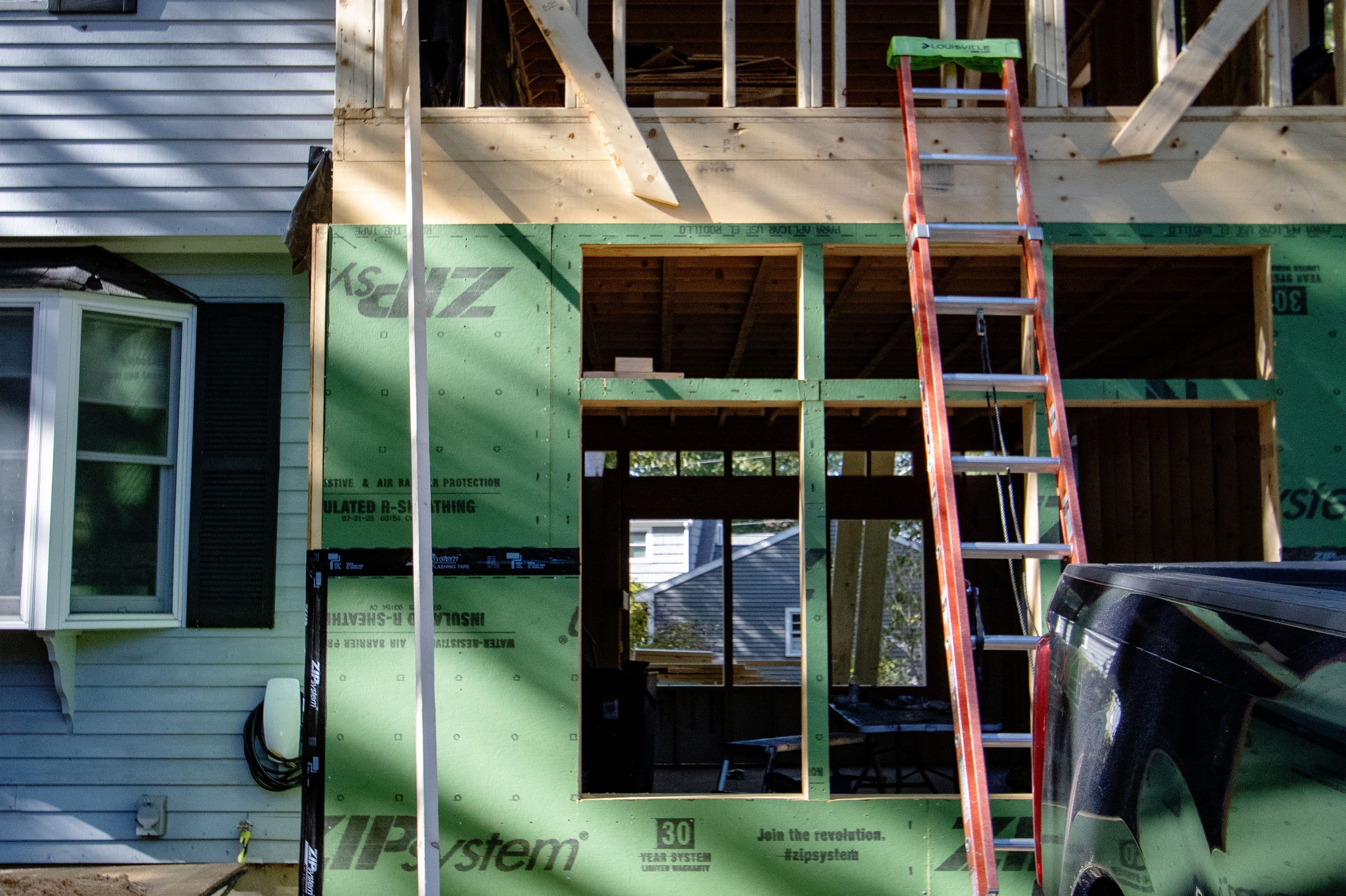
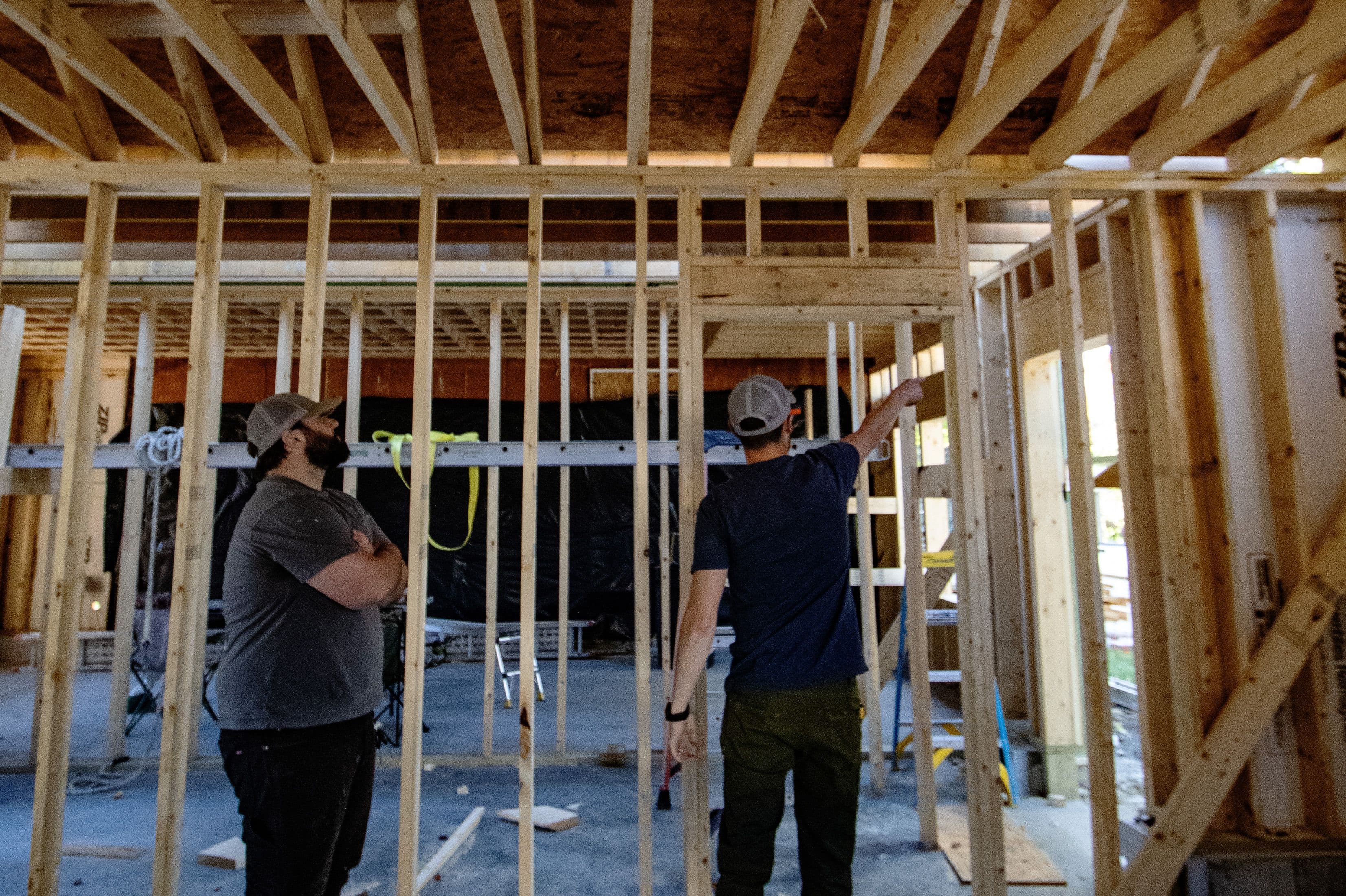
A hands-off contractor is a red flag. A quality builder knows their presence on-site is essential for maintaining quality, ensuring timelines are met, and keeping tradespeople accountable.
Frequent site visits allow the contractor to monitor progress, ensure materials and tools are ready, and keep everything moving smoothly from one phase to the next. It also allows them to catch issues early—before they become expensive or time-consuming to fix.
If your contractor isn’t committed to being regularly present, the project (and your experience) will suffer.
Final Thoughts
Hiring a general contractor is more than just selecting a name off a list—it’s choosing a professional partner for one of the most personal investments you’ll ever make: your home.
By moving past these common misconceptions, you set the stage for a smoother, more collaborative experience—and a final result that brings satisfaction for years to come.